8 Tips to Get Your Vehicles and Equipment Ready for Winter
Winter can be unforgiving. Cold mornings, icy roads, and shorter daylight hours put stress on both vehicles and heavy equipment. Without preparation, you risk breakdowns, safety hazards, and costly downtime. The good news? A few simple steps can keep everything running smoothly.
In this article, we highlight eight practical tips to prepare for the season.
Table of Contents
1. Top Up Your Fluids
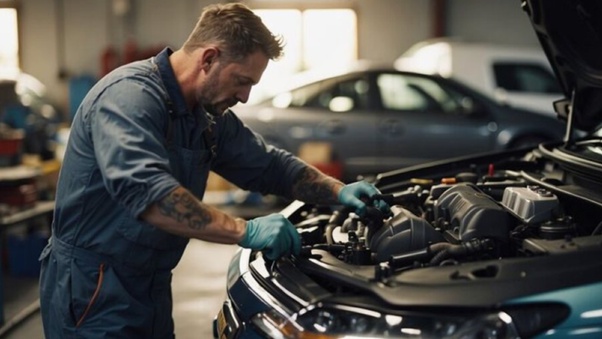
Antifreeze, oil, and washer fluid are the lifeblood of your vehicle in winter. Make sure antifreeze levels are correct, switch to winter‑grade oil if needed, and use washer fluid that won’t freeze.
2. Test Your Battery
Cold weather drains batteries quickly. Check the charge, clean the terminals, and replace it if it’s nearing the end of its life. A weak battery is one of the most common causes of winter breakdowns.
3. Check Your Tires
Good traction is critical on icy roads. Inspect tread depth, consider winter tires if you live in a snowy area, and keep an eye on tire pressure since it drops in cold air.
4. Upgrade Your Headlights
Visibility is everything in winter. Fog, snow, and shorter days make driving harder. Installing aftermarket headlights gives you brighter, more reliable light so you can see clearly and stay safe.
Safety First
Winter prep isn’t just about performance—it’s about protecting people.
- Visibility: Reinforce the importance of upgraded headlights for clear sightlines in snow or fog.
- Operator safety: Dress warmly, wear gloves, and use heated cabins if available. Cold stress reduces focus and increases accident risk.
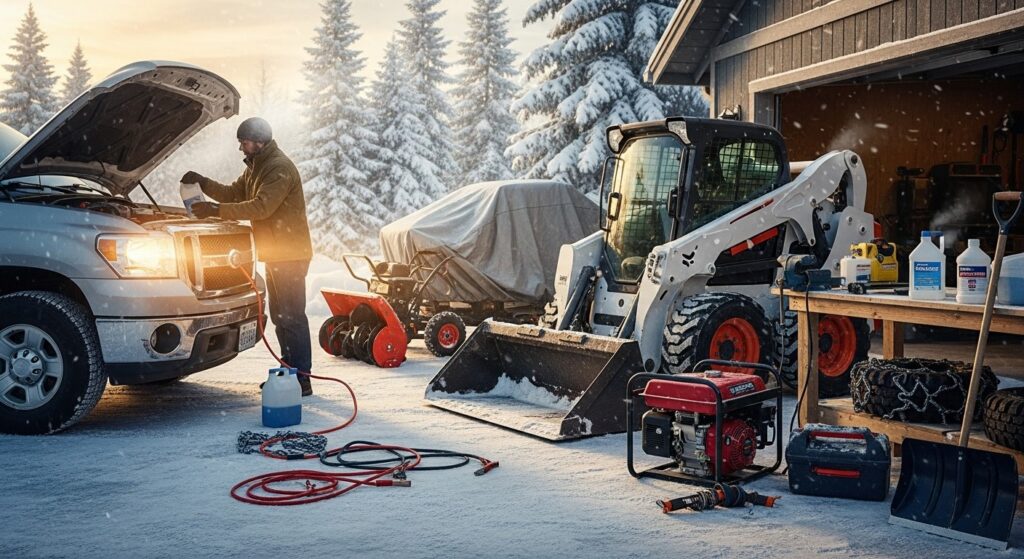
- Emergency kits: Keep jumper cables, blankets, first aid supplies, and spare fluids in your vehicle or equipment. These small items can make a big difference if something goes wrong. Additionally, reviewing your car insurance coverage can give you peace of mind in case of winter accidents or breakdowns.
5. Switch Hydraulic Fluids in Equipment
For skid steers and other machinery, cold weather thickens hydraulic fluid. Use low‑temperature rated fluids to keep systems running smoothly and avoid damage.
6. Store Equipment Properly
Snow and ice buildup can cause problems. If possible, keep equipment indoors. If not, use covers or tarps to protect sensitive parts from freezing conditions.
7. Add Winter Attachments
Winter jobs often need specialized tools. A mini skid steer mulcher is a versatile option for clearing brush and maintaining properties even in cold months. The right attachment keeps your skid steer useful all year.
Think Long Term
Quick fixes help, but long‑term habits keep everything in good shape.
- Scheduled maintenance: Plan preventive checks before winter starts.
- Storage solutions: Indoor storage is best, but insulated covers or shelters also work.
- Cross‑industry lessons: Cars and heavy equipment may be different, but the basics are the same—prepare early, maintain regularly, and invest in upgrades that improve safety and performance.
8. Pack Safety Essentials
Whether you’re driving a car or operating heavy equipment, always carry an emergency kit. Include jumper cables, blankets, first aid supplies, and spare fluids. These small items can make a big difference if something goes wrong.
Tech Tools for Winter Readiness
Modern technology makes winter prep easier than ever. A few smart upgrades can save time and improve safety:
- Mobile apps for maintenance reminders: Set alerts for battery checks, tire inspections, or fluid top‑ups so you don’t forget.
- GPS and telematics systems: For contractors, tracking equipment usage helps schedule maintenance before problems arise.
- Smart lighting upgrades: Some aftermarket headlights now come with adaptive features that adjust brightness automatically in fog or snow.
- Weather monitoring tools: Apps and sensors can give real‑time updates, helping you plan when to use attachments like a mini skid steer mulcher.
Productivity Boosts in Winter
Winter doesn’t have to mean slowing down. With the right approach, you can actually get more done:
- Plan jobs around daylight: Shorter days mean tighter schedules. Organize tasks that need visibility earlier in the day.
- Use downtime wisely: If weather halts outdoor work, use the time for equipment inspections, training, or paperwork.
- Cross‑train staff: Teach operators to handle multiple attachments or vehicles so you’re flexible when conditions change.
- Leverage winter‑specific opportunities: Clearing brush, snow removal, or property maintenance can open new revenue streams with the right tools.
Finally
Winter doesn’t have to mean stress or downtime. By following these 8 tips, you’ll keep your vehicles and equipment safe, efficient, and ready for the season. Upgrading with aftermarket headlights and adding attachments like a mini skid steer mulcher are smart steps that help you stay productive all winter long.
Prepare now, and you’ll spend less time worrying about breakdowns and more time getting things done—even when the temperature drops.
People Also Ask
1. How do I prepare my car for winter driving?
Start with the basics: check antifreeze, oil, and washer fluid, test your battery, inspect tires, and upgrade your headlights for better visibility.
2. Why are aftermarket headlights useful in winter?
Winter means shorter days and poor visibility from fog or snow. Aftermarket headlights provide brighter, more reliable light, helping you see clearly and stay safe.
3. What equipment attachments are best for winter work?
Attachments like snow blowers, plows, and mulchers are popular. A mini skid steer mulcher is especially versatile for clearing brush and maintaining properties year‑round.
4. How can I protect heavy equipment from freezing temperatures?
Store equipment indoors if possible. If not, use insulated covers or tarps, switch to cold‑weather hydraulic fluids, and perform regular maintenance checks.
5. What safety items should I keep in my vehicle during winter?
Always carry jumper cables, blankets, a first aid kit, spare fluids, and a flashlight. These essentials can help you handle emergencies until help arrives.