
Motorcycle Riding Tips for Better Control & Safer Road Skills
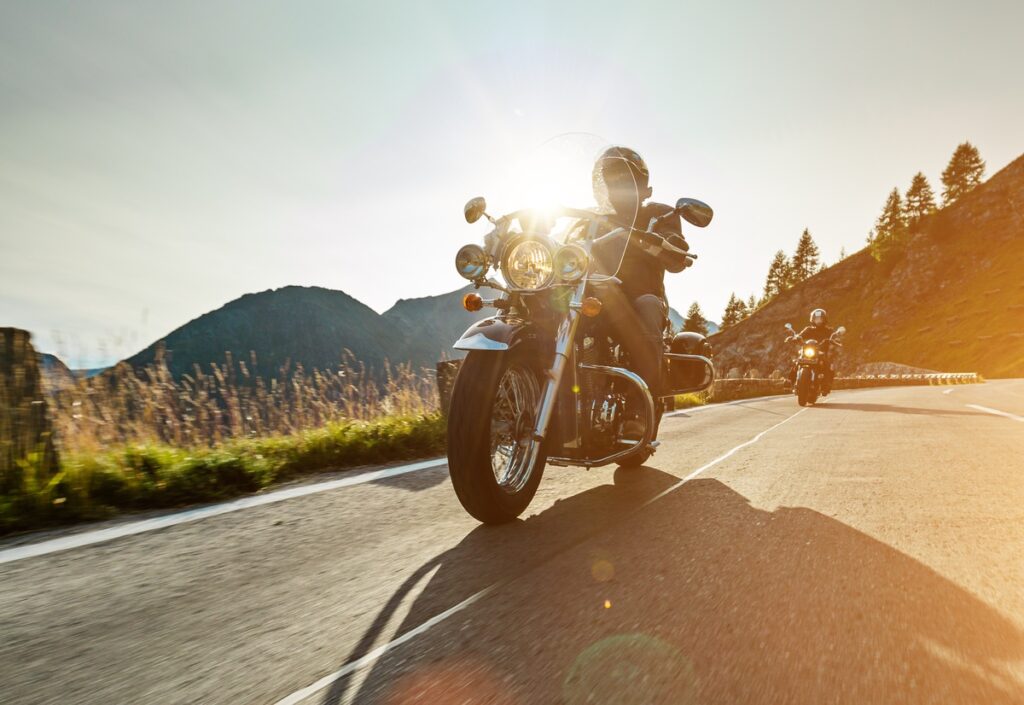
Motorcycle riding is more than just a hobby; it’s a skill that needs to be developed. Every ride is a lesson, and you never stop learning. These tips for riding motorcycles are based on real roads and real dangers, not theory. The goal is simple: to make it easier to control, make better decisions, and feel more sure of yourself, one ride at a time.
Table of Contents
Smart Preparation Before You Ride
Everything that happens later on the road is affected by how well you prepare. A responsible rider is calm, focused, and honest. Check your gear, get your bike ready, and be present in your mind. These little checks before you ride will keep you from getting stressed out later. Motorcycle gear safety is important because many road accidents happen because people aren’t ready.
Proper protective gear for real-world roads
Riding is safer when you wear gear that is comfortable and protects you. A good helmet protects the most important part of your body. A sturdy jacket helps your elbows and shoulders. Gloves keep your hands from slipping. Your boots should cover your ankles. Having good gear doesn’t make you paranoid. It gets you ready and helps you relax.
• Helmet, jacket, gloves, boots
• Road-ready pants or jeans reinforced with pads
• Back protector or armored vest
Quick motorcycle check before you roll
Mechanical problems on the road can be stressful and dangerous. A simple routine can stop them. Check the pressure in your tires, the feel of your brakes, and the tension in your chain before each ride. Check that all of the lights, mirrors, and signals are working. These checks don’t take long, but they give you a lot of extra safety.
Making yourself more visible
Visibility on the road is a quiet way to stay safe. People who drive cars don’t always see motorcycles, so you need to help them see you. It helps to wear brighter colours or panels that reflect light. Where you are in the lane also affects how easy it is to see you. It’s harder for a driver to “filter out” a rider who is one lane over from where they can be seen. A rider can’t make drivers see them, but they can make it more likely that they will.
Road Awareness & Defensive Thinking
Riding well isn’t just about being strong; it’s also about being smart. A lot of beginners don’t know how important hazard perception is. Situational awareness is more important for your safety than your horsepower. The safe distance to follow is more about time than distance in meters. A rider who plans ahead has more choices.
Reading drivers and traffic patterns
People who drive cars don’t always expect to see a motorbike. They don’t know how to judge speed. They forget that you can be right next to them in a few seconds. A smart rider knows that mistakes will happen. That way of thinking takes away surprise. If a driver looks like they might turn in front of you, they probably will. That assumption gives you time to slow down or move to protect yourself.
Lane choice and positioning for escape space
Your lane isn’t just one place; it’s a lot of different places. Some give you more space to escape. Some give you a better view of traffic. A rider who uses lanes like tools can keep themselves safe by:
• Left wheel track offers strong visibility in oncoming traffic
• The center track is useful in slow traffic when cars change lanes
• Right wheel track helps when monitoring traffic joining from the right
Each of these has a purpose. Move between them on purpose, not randomly.
How to avoid common crash spots
You need to pay extra attention at intersections. Drivers often get the speed or angle wrong here, which is why most accidents happen. Blind corners can hide gravel or entrances. If you’ve already been hit or you’re trying to understand your legal options after a wreck, someone like Michael Kelly motorcycle accident attorney, can explain the next steps, because cars that turn left are the most dangerous for riders since drivers don’t realise how fast and far a bike can go. Believe what you see more than what you think is right. Space and time are safer than pride.
Core Control Skills You Should Practice
To ride well, you need to practise the skills that let you steer the bike smoothly. Power isn’t as important as smoothness. The way you brake and give the bike gas determines how it acts. A strong rider practices being precise at low speeds. Clutch control is more than just starting; it also keeps balance and speed in tight spaces. Cornering line shows that you are good at it because it combines vision, body, and timing.
Smooth throttle and clutch coordination
Throttle inputs that are jerky can throw off the balance and suspension. Smooth hands help with traction. Releasing the clutch slowly helps keep the car stable. These are habits that you learn by doing them. Slow parking lot drills aren’t boring; they’re the key to feeling safe on real roads.
Hard braking and emergency stop drills
Emergency braking is a skill that must be practiced, not just imagined. A well-controlled emergency stop needs technique, not panic.
• Keep your body neutral and centered during the brake
• Apply front brake firmly while gently adding rear brake
• Look straight ahead — do not lock your arms
Body position and lean control in corners
Riding becomes smooth when you turn. You shouldn’t look down or at the front wheel; you should look through the turn. Your hips tell you how to lean. Your hands stay relaxed and soft. A tense rider isn’t as precise. A relaxed rider can change their line quickly and easily when the surface changes.
How Weather, Road Surface & Fatigue Affect You
Roads change quickly. When it rains, the grip on wet roads goes down, and diesel spills often sit on roundabouts and parking lot exits. Gravel may look safe, but it can ruin your grip. When the wind is strong, you need to steer more smoothly and lean less aggressively at higher speeds. Long rides make you tired slowly, so smart riders take breaks to clear their heads before their reflexes start to dull. Micro-breaks can keep you from making a small mistake that leads to a big crash.
Wrapping-Up
Patience, regular practice, and clear thinking are what make strong skills. There isn’t just one lesson to learn how to ride well; it’s a journey that lasts a lifetime, with better choices made one moment at a time. A rider who gets ready well, pays attention to traffic, and works on their control skills stays safe. It’s not about how fast you ride; it’s about being aware and having a goal.


