What Type of Tires Are Best for My Adult Tricycle?
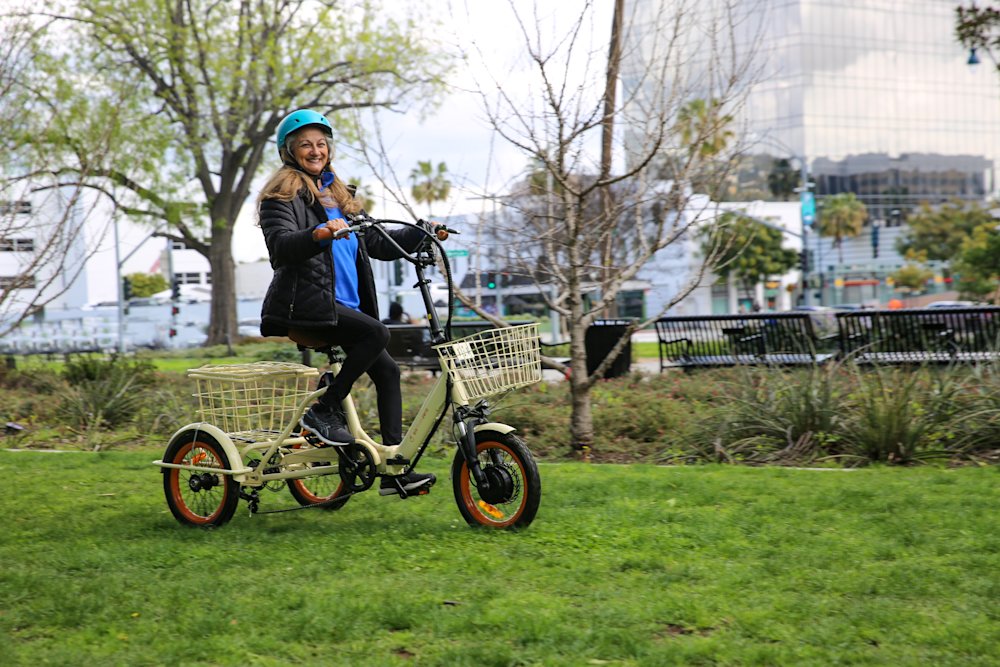
When you’re riding a standard two-wheeled bicycle, choosing tires is mostly about speed and cornering grip. But adult tricycles play by a completely different set of rules. Because trikes don’t lean into turns—they stay perfectly flat—your tires handle forces differently. Every bump, turn, and gravel patch impacts all three contact points at the same time.
Choosing the right type of tire can completely transform your ride, turning a bumpy, sluggish journey into a smooth, stable, and highly enjoyable cruise. Let’s break down the best tire types for adult tricycles based on where and how you plan to ride.
In this article:
1. Slick or Semi-Slick Tires (Best for Pavement and Commuting)
If you primarily ride an e trike for adults on smooth asphalt, neighborhood sidewalks, or paved bike paths, slick or semi-slick tires are your best option.
- The Design: These tires feature a mostly smooth center tread with light grooves (called sipes) on the sides to channel water away.
- Why They’re Great: They have very low rolling resistance, meaning you don’t have to pedal nearly as hard to maintain your speed. They offer a whisper-quiet ride and maximize battery efficiency if you ride an electric trike.
- The Downside: They provide very little traction on loose dirt, thick grass, or mud.
2. Knobby Mountain Tires (Best for Dirt, Light Trails, and Grass)
If your adventures take you off the beaten path, standard pavement tires will spin and slide. You need something with a bit more bite.
- The Design: Featuring raised rubber blocks (knobs) across the entire surface of the tire.
- Why They’re Great: Knobby tires dig directly into loose terrain like packed dirt, gravel paths, and park grass. They provide the necessary grip to prevent your rear wheels from spinning in place when pedaling uphill on loose surfaces.
- The Downside: On flat pavement, they feel noticeably slower, require more effort to pedal, and create a distinct “humming” noise and slight vibration.
3. Fat Tires (Best for Comfort, Sand, and All-Terrain Stability)
Fat tires—typically measuring 3.0 to 4.0 inches wide or more—have exploded in popularity, especially on electric adult tricycles.
- The Design: Ultra-wide, high-volume tires designed to be run at lower air pressures.
- Why They’re Great: Because they hold a massive volume of air, fat tires act like a natural suspension system. They absorb cracks, potholes, and bumps beautifully. Furthermore, their massive footprint lets them float over unstable surfaces like soft sand, snow, and loose gravel where thin tires would sink.
- The Downside: They are heavy. If you have a traditional manual trike, fat tires will make it significantly harder to pedal. They are best paired with electric trikes that feature a motor to offset the extra weight.
Match Your Tire Type to Your Riding Style
To make your choice simple, find your primary riding environment below:
| If You Mostly Ride On… | Your Best Tire Match Is… | Key Benefit |
| Paved Neighborhood Roads & Smooth Paths | Slick / Semi-Slick (1.5″ – 2.125″ wide) | Effortless pedaling, quiet ride, and high speed. |
| Gravel Trails, Parks, & Packed Dirt | Knobby Mountain Tires | Prevents wheel spin on unpaved ground. |
| Sandy Beaches, Rough Roads, & Potholes | Fat Tires (3.0″ – 4.0″+ wide) | Maximum cushioning and ultimate stability. |
| Mix of Everything (All-Purpose) | Hybrid / Inverted Tread Tires | Smooth center for roads, light teeth on edge for grip. |
Crucial Features Every Trike Rider Needs to Look For
Regardless of the tread style you choose, ensure your new tricycle tires include these two specific safety features:
Puncture Resistance (A Must-Have)
Changing a flat tire on a standard bike is annoying. Changing a flat tire on the rear axle of an adult tricycle—especially one with a rear basket or a hub motor—can be a mechanical nightmare. Look for tires explicitly labeled with puncture protection (such as Kevlar belts, Schwalbe’s SmartGuard, or extra thick casing). Spending a little extra upfront for flat-resistant tires will save you hours of frustration later.
Stiff, Durable Sidewalls
Because tricycles don’t lean, turning puts severe lateral (sideways) pressure on the tire sidewalls. Cheap tires with thin sidewalls can flex excessively during turns, making the trike feel unstable or “squishy.” Look for tires designed for e-bikes or heavy cargo use, as they feature reinforced sidewalls that keep the trike tracking straight and true through corners.
Making Your Choice
When it comes to upgrading or replacing your adult tricycle tires, comfort and terrain dictate your choice. For pure city commuting and easy neighborhood spins, stick to a smooth, narrow hybrid tire. If you have an electric trike and want a plush, cloud-like ride that can handle sand and potholes, upgrade to fat tires. Just don’t forget to look for built-in puncture protection so you can spend your time enjoying the open road rather than patching flats!


