How to Know When Your Car Needs a Tune-Up
Whether you own a brand-new car or an old one you’ve been driving for years, a regular tune-up is essential. Regular care keeps your car running safely, improves fuel mileage, and keeps small problems from turning into big ones. But we often do not realize our car needs attention until something goes wrong.
Your car is always giving you signals that you just have to notice. Odd noises, strange smells, rough starts, weak pickup, or a dashboard warning light are all ways your car is asking for help. It’s a lot like your own health. When you don’t feel well, your body shows signs. Ignoring them only makes things worse, and the same is true for your vehicle.
A tune-up is simply a routine check that makes sure everything is working as it should. Also, you don’t need to be a car expert to know when one is needed. Most warning signs are easy to spot once you understand what to look for. Early attention can help you avoid breakdowns, costly repairs, and stress on the road.
In this blog, we will discuss the common signs that indicate your car may be due for a tune-up.
In This Article:
What Is a Car Tune-Up?
A car tune-up involves a detailed inspection of your car to check parts that wear out over time. It catches and fixes small issues before they turn into expensive repairs. A car tune-up keeps your vehicle reliable for years to come, thereby saving you time, money, and stress down the road.
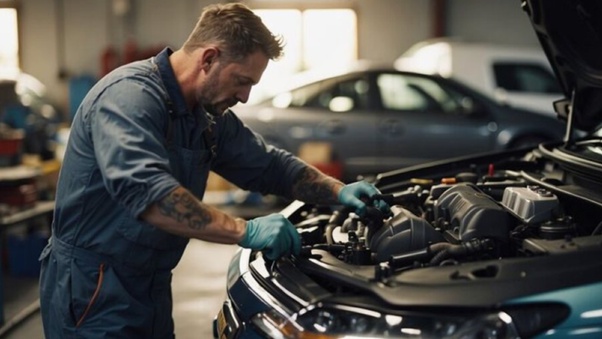
During a tune-up, the technician checks key engine parts, such as spark plugs, air and fuel filters, belts, hoses, and fluid levels, including oil and coolant. The fuel system is also inspected to ensure that the fuel pump and injectors are working properly and delivering fuel smoothly. Also, the engine’s computer system is scanned to spot hidden problems that you may not notice while driving.
Once the inspection is complete, the auto repair experts replace worn or dirty parts as needed. The parts include spark plugs, filters, and other components that affect how the engine runs. By replacing these worn parts, the proper balance of air, fuel, and spark is restored, allowing the engine to perform at its best.
Warning Signs Your Car Needs a Tune-Up
Your car usually gives you plenty of hints before a serious problem shows up. The key is knowing how to notice them and acting early.
Dashboard Warning Lights
Dashboard warning lights are your car’s way of communicating with you. Modern vehicles are equipped with sensors and a computer system that constantly monitor how the engine and other key parts are working. When something isn’t functioning properly, a dashboard warning light alerts you.
Many drivers choose to ignore the warning light and continue driving, as it initially appears to be due to a loose gas cap or a sensor picking up unusual readings. However, even small problems can turn into engine damage, reduced fuel efficiency, or even a breakdown if left unattended.
Trouble Starting the Car
Your car making clicking sounds, taking longer to start, or stalling soon after starting are all early warning signs that shouldn’t be ignored. This could be due to worn spark plugs, fuel delivery problems, or ignition issues.
Rough Idling, Stalling, or Misfires
If your engine shakes while you’re stopped at a traffic light, stalls unexpectedly, or feels uneven while driving, it means the engine isn’t working evenly. This usually happens due to worn spark plugs, ignition problems, or fuel system issues.
Engine misfires can also create vibrations that drivers sometimes mistake for balance or alignment concerns. Identifying the root cause early improves safety and helps maintain smooth driving.
Strange Noises or Vibrations
Cars making loud knocking, ticking, squealing, or hissing noises are not normal. Vibrations in the steering wheel, seat, or entire car, especially on smooth roads, are also warning signs. While some vibrations may originate from tires or suspension components, engine related issues should be ruled out first during a tune up inspection.
Poor Fuel Mileage
If you’re filling up the tank more often than usual, your car may not be running efficiently. Dirty filters, worn spark plugs, faulty sensors, or fuel system problems can all cause reduced fuel efficiency.
Over time, reduced efficiency places added strain on multiple vehicle systems and increases overall operating costs.
Weak Acceleration or Loss of Power
If your car feels slow, struggles to speed up, or has trouble climbing hills, it may be losing power. These problems often happen gradually, so drivers do not notice them right away. Poor acceleration can make driving stressful and unsafe, especially when merging onto highways.
Brake or Handling Problems
Warning signs such as a car pulling to one side, the brakes feeling soft, or squealing or grinding sounds when braking may point to brake wear, alignment issues, or suspension problems.
Overheating or Fluid Issues
Every car engine works within a safe temperature range. If the temperature gauge starts rising, you see steam coming from under the hood, or fluid levels drop, the engine can get too hot.
This usually happens due to a cooling system leak, low coolant level, or oil issues, which can cause major engine damage if ignored.
Worn Belts and Hoses
Cracked, frayed, or loose belts and hoses may not seem like a big issue, but they can fail suddenly and cause breakdowns.
How Often Should You Get a Tune-Up?
A tune-up is an important part of keeping your car in good shape, even if everything seems fine. Many issues can’t be seen or felt while driving and only show up during a proper inspection. That’s why tune-ups shouldn’t be skipped.
In general, older cars need tune-ups more often because their parts wear out faster. Newer vehicles are built with advanced systems and long-lasting components, so they usually need to be tuned up at longer intervals.
However, check your auto repair service schedule and manual to see what maintenance is recommended for your current mileage. At the same time, pay attention to how your car drives. Warning signs such as changes in sound, performance, or fuel usage often indicate that a tune-up is due.
Why Regular Tune Ups Protect Performance and Safety
A car tune-up is not optional. Skipping a tune-up might save money for now, but it often leads to bigger, more expensive problems later. It’s the difference between spending a little today on routine care or facing major repairs that could have been avoided.
More than just fixing problems, a tune-up is about peace of mind. It keeps your car dependable, reduces unexpected breakdowns, and even helps maintain its value when it’s time to sell or trade it in.