
Interstate vs Intrastate Trucking: Everything You Need to Know
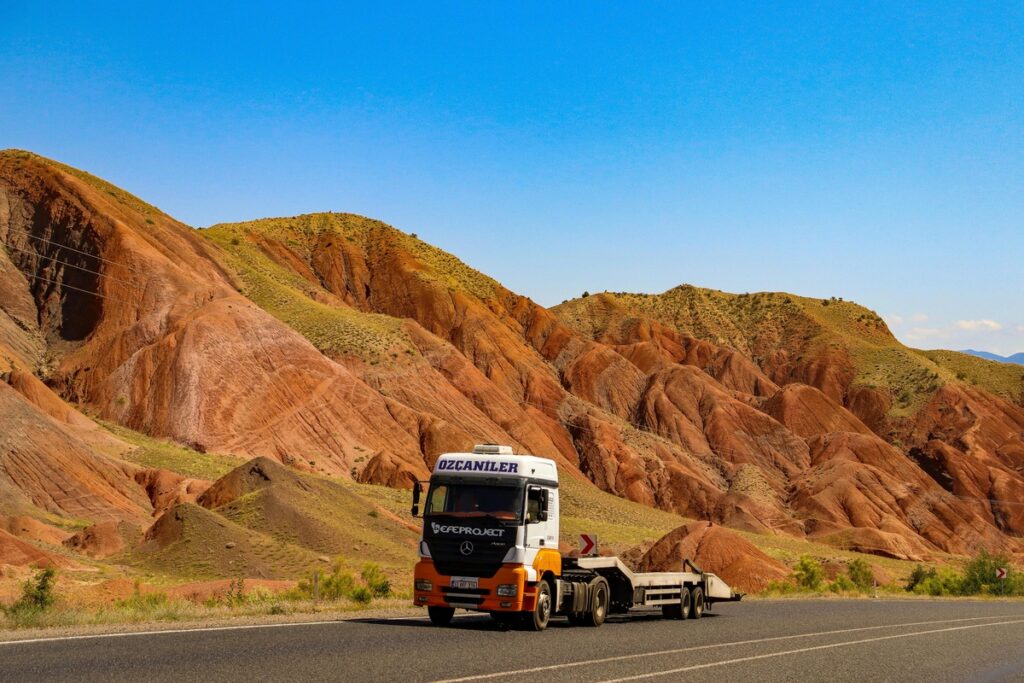
Perhaps you are planning to kick off your trucking career. In such a case, one of the important choices is: to do intrastate or interstate trucking? Intrastate drivers transport goods on short distances – usually, within the state where they stay. Meanwhile, interstate drivers cross lines regularly. While long-distance trucking is associated with some discomfort, it also means more career opportunities, better earnings, and broader reach.
Table of Contents
The Differences
On the surface, the contrast appears straightforward. ‘Intrastate’ refers to you working inside a state, while ‘interstate’ is linked to moving beyond a state border. Yet, real-world trucking isn’t always that simple. In particular:
- If you carry cargo within one state, yet it’s later taken to another state by someone else, it’s still considered interstate commerce. And, as a result, you are considered an interstate driver.
- Even if a delivery that starts and ends in the same state, it can become interstate if your route crosses a neighboring state.
- So, it’s not only about where you load and unload. Finally, the cargo’s origin, destination, and the route also matter.
Definitions
Interstate Trucking
In this case, trucking means that the freight you carry crosses the state or even international borders. Even if you are dealing with only a part of the way, you’re considered an interstate carrier. Cross-border trucking is regulated at the federal level by FMCSA.
Intrastate Trucking
When it comes to in-state trucking, it means that goods are moved only within the borders of a single state. In such a case, rules, insurance, and licensing depend on the state where you operate.
Which Vehicles Are Typically Used
In fact, most of the trucks can be used for both types of operations. However, there are some trends:
- Intrastate operations use smaller vehicles. For example, box trucks or tow trucks.
- Cross-state trucking involves bigger trucks. For example, semi-trucks, tractor-trailers, reefers, or flatbeds.
Compliance and Coverage: How They Differ
Insurance and Liability
If you operate in multi-state trucking, federal law sets the minimum insurance you must carry. For instance, hauling non-hazardous cargo with heavier vehicles typically requires liability coverage of no less than $750,000. Intrastate insurance may differ due to local state requirements. While some states follow federal-like rules, others allow lower minimums.
Operating Credentials and Compliance
A USDOT number is mandatory for all cross-border truckers. And often an MC number is also required. Sometimes, they may also need to register under other federal programs. Intrastate truckers, on the other hand, often just follow state regulations. Some states still require DOT registration, while others are more relaxed.
Qualifications, Hours, and Safety
Whether you work locally or in broader midwest logistics operations, you must have a valid CDL. Yet, interstate trucking is more strictly regulated under FMCSA standards. These standards include driving hours, vehicle maintenance, and drug/alcohol testing. At the same time, intrastate rules for hours and other safety norms depend on each state.
Similarities
- Valid CDL.
- Compliance with safety, maintenance, and hazmat rules.
- Required insurance and registrations.
Summary
Local and interstate trucking vary in numerous ways. Interstate trucking means moving cargo through several states or even national borders. Such transportation is regulated by FMCSA. It requires higher insurance and is often linked to stricter safety rules and regulations. Intrastate trucking stays within one state. Therefore, rules and insurance are set due to local laws. Traditionally, interstate jobs involve larger trucks. It also offers higher earnings. Intrastate routes are often much shorter, which allows drivers to have a more regular schedule. However, both jobs have something in common, like requirements for proper registration, CDL, and compliance with safety laws.


