5 Interstate Tires Delivery Tips from Experts
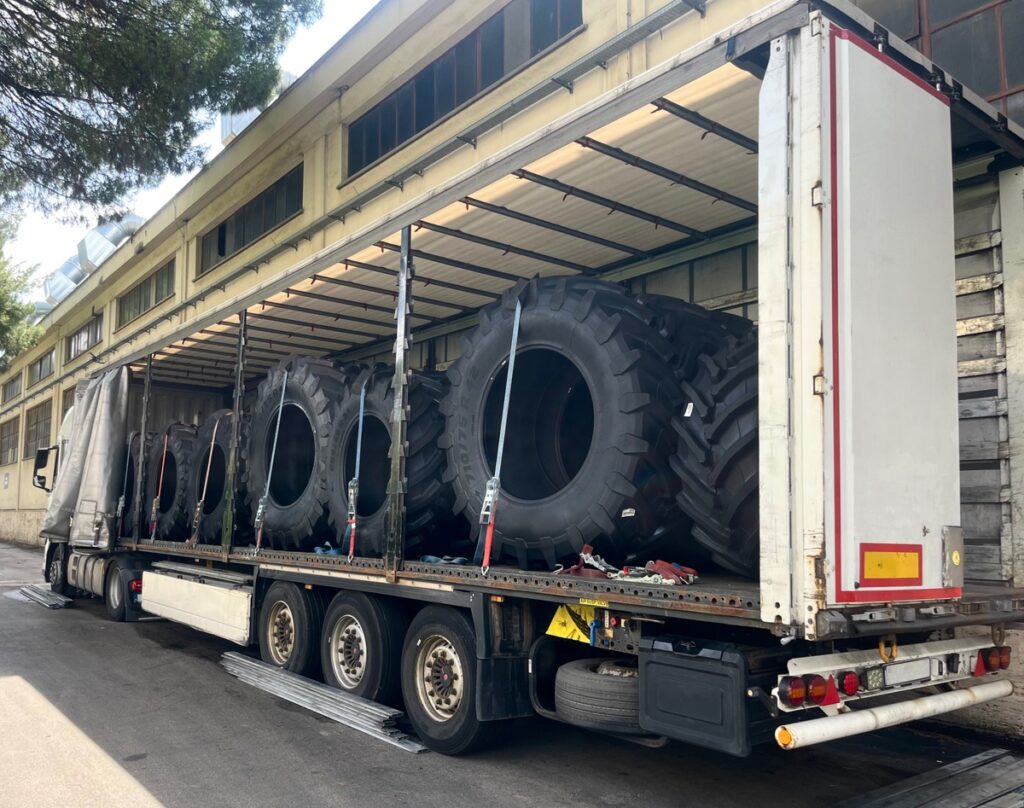
When it comes to transporting tires across state lines, whether you’re a tire retailer, automotive business, or individual consumer, understanding the nuances of interstate delivery can save you time, money, and headaches. The tire industry has evolved significantly, and with it, the logistics of getting these essential products from point A to point B safely and efficiently.
Here are five expert tips to ensure your interstate tire deliveries go smoothly every time.
In This Article:
1. Proper Packaging Is Non-Negotiable
Tires may seem durable, but they require specific packaging considerations for interstate transport. Experts recommend wrapping each tire individually in protective plastic or tire bags to prevent damage from road debris, weather, and handling. For high-performance or specialty tires, additional cushioning materials should be used between stacked tires.
Stack tires vertically rather than laying them flat when possible, as this reduces the risk of deformation during long-haul transport. If you’re shipping mounted tires (on rims), ensure they’re properly inflated to manufacturer specifications and secured to prevent rolling or shifting during transit.
The key is treating each tire as a valuable piece of cargo rather than just rubber that can handle abuse. According to the Tire Industry Association, proper handling and storage practices can significantly extend tire life and maintain performance characteristics.
2. Choose the Right Carrier for Your Needs
Not all transportation services are created equal when it comes to interstate tire delivery. The ideal carrier depends on several factors: volume, urgency, destination, and budget. For individual consumers or small orders, LTL (less-than-truckload) shipping can be cost-effective, while bulk orders from retailers often benefit from dedicated truckload services.
When selecting a carrier, verify they have experience with tire transportation and understand the specific requirements. Services like A1 Auto Transport specialize in interstate logistics and can provide expertise in handling automotive-related cargo efficiently across state lines.
Consider carriers that offer tracking capabilities, insurance options, and have established routes in your required corridors. Time-sensitive deliveries may warrant expedited shipping, while cost-conscious shipments can utilize standard ground transportation.
3. Understand Interstate Regulations and Documentation
Interstate tire transport involves crossing state lines, which means dealing with various regulations and required documentation. While tires themselves aren’t heavily regulated, the transportation aspect requires proper commercial documentation including bills of lading, freight invoices, and potentially weight station compliance.
Ensure your carrier provides proper documentation for each shipment. This protects both parties in case of disputes and provides a clear record of what was shipped, when, and in what condition. For commercial shipments, maintaining accurate records is also essential for tax purposes and inventory management.
Some states have specific requirements for commercial vehicle transport, so working with experienced interstate carriers ensures compliance with DOT regulations and state-specific requirements without you having to become an expert in transportation law.
4. Timing and Route Planning Matter
Interstate tire delivery isn’t just about getting tires from origin to destination—it’s about doing so efficiently. Weather patterns, traffic corridors, and seasonal factors all impact delivery times and costs. Expert logistics professionals recommend planning shipments during optimal weather windows when possible, as extreme temperatures can affect tire integrity during transport.
Consider the route carefully. Direct interstate routes typically offer faster delivery times and lower costs than routes requiring multiple transfers or rural delivery. However, hub-and-spoke models used by many carriers can sometimes provide better pricing for non-urgent shipments despite longer transit times.
Building relationships with carriers and planning regular shipments can also lead to preferential pricing and scheduling. For businesses, establishing a consistent shipping schedule allows for better inventory management and predictable delivery windows for customers.
5. Insurance and Liability Protection Are Essential
One often-overlooked aspect of interstate tire delivery is proper insurance coverage. While carriers maintain liability insurance, it typically covers only a fraction of the cargo’s value based on weight. For high-value specialty tires, performance tires, or large commercial orders, additional cargo insurance is highly recommended.
Before shipping, document the condition of all tires with photographs and detailed descriptions. This creates a record in case of damage claims and expedites the claims process if issues arise. Review the carrier’s liability limits and consider whether supplemental insurance makes financial sense for your shipment.
Understanding the difference between carrier liability and insurance is crucial. Liability coverage is often limited and may not cover all types of damage, while comprehensive cargo insurance provides broader protection. For regular shippers, annual cargo insurance policies can be more cost-effective than insuring individual shipments.
Final Thoughts
Interstate Tires delivery doesn’t have to be complicated when you follow expert best practices. By focusing on proper packaging, selecting experienced carriers, understanding regulations, strategic planning, and protecting your investment with appropriate insurance, you can ensure your tires arrive safely and on schedule.
Whether you’re shipping a single set of specialty tires or managing regular bulk deliveries for a retail operation, these five tips provide a solid foundation for successful interstate tire logistics. The key is treating tire transportation as a specialized service that requires attention to detail and working with partners who understand the unique requirements of the industry.
Remember, the cheapest option isn’t always the best value—reliability, expertise, and proper handling often provide better long-term results than simply finding the lowest per-mile rate.