
Top 6 Unexpected Reasons Drivers Get Locked Out of Their Cars
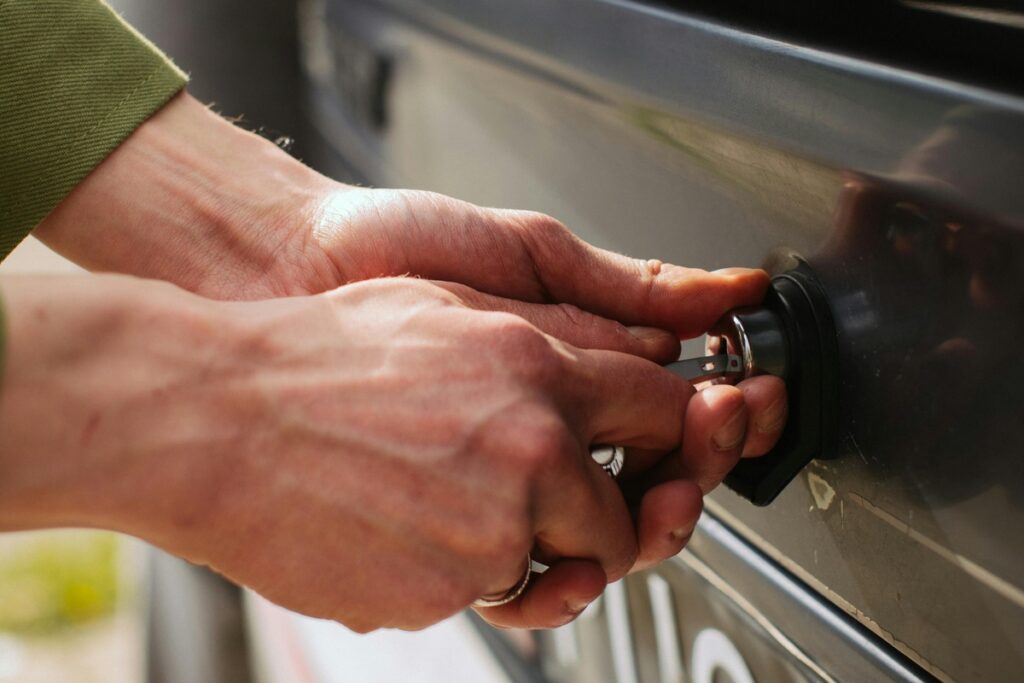
Every year, roadside assistance providers respond to millions of car lockouts. AAA once noted that lockouts are one of the most common calls for help, right alongside flat tires and dead batteries.
The reality is that car lockouts rarely happen at a convenient time. What makes lockouts even more stressful is that the causes are not always obvious. While “leaving keys on the seat” is the classic reason, there are several less predictable causes that catch people off guard.
Understanding these surprising reasons is the first step to preventing them. Let’s look at the top unexpected situations that leave drivers stranded outside their own cars.
In This Article:
Worn-Out Locks That Finally Fail
Mechanical locks wear out over time. Drivers who rely mostly on electronic fobs may not notice the problem until they need the physical key. A lock cylinder that has collected dirt, rust, or general wear may suddenly jam and refuse to turn.
This problem is more common in older vehicles or cars that are not serviced regularly. A lock may feel stiff long before it actually stops working. Ignoring those early signs increases the chance of a full lockout later.
Maintenance is the best solution. Applying proper lubricant to the lock cylinders a few times a year keeps them functioning smoothly. If a lock begins sticking, it should be repaired or replaced before it fails completely. Paying attention to these details keeps both the electronic and mechanical systems reliable. And if you do end up stranded because of a worn lock, calling a professional service such as Geyers Towing off road recovery services ensures the problem is handled quickly and without damage to your vehicle.
Automatic Lock Systems Gone Wrong
Many newer cars come with automatic locking features that are meant to make life easier. The system engages after a set amount of time or once you step away from the vehicle. In theory, this sounds convenient, but in practice it often backfires.
Imagine loading groceries into your trunk, shutting it, and walking a few steps to return the cart. In those few seconds, the automatic lock may engage, trapping your keys inside before you realize what happened. These systems are particularly tricky because they vary by brand and model, and not every driver knows the exact settings.
The best way to prevent this problem is to learn how your car’s auto-lock function works. Many vehicles allow you to adjust or even turn off the feature through onboard settings. Carrying a spare key fob in your bag or wallet is another simple backup. Automatic locks are convenient most of the time, but they are also one of the most overlooked lockout triggers.
Weak or Dead Key Fob Batteries
Electronic key fobs are now standard in most modern vehicles. They allow push-button starts, remote locking, and even keyless entry. But these small devices rely on batteries that can fail without much warning. When that happens, your car may not recognize the fob even if you’re standing right next to it.
Drivers often mistake this for a bigger mechanical issue, but in many cases, it’s just a dead battery inside the fob. Some signs appear before the fob fails completely. If you notice that the range of your remote has decreased or you need to press buttons multiple times, the battery is already weakening.
Keeping a spare battery in your glove compartment or bag is an inexpensive solution. Many fobs also have hidden key inserts that can unlock the door manually. Knowing how to use this backup option can save you from a stressful situation.
Temperature and Weather Conditions That Cause Trouble
Weather plays a bigger role in car lockouts than most people realize. In winter, freezing temperatures can cause locks to jam, especially if there is moisture in the mechanism. Drivers often think the lock is broken when it’s just frozen solid.
Summer brings its own challenges. High heat can cause electronic components to malfunction temporarily, leaving your locking system unresponsive. Humidity is another culprit, affecting both electronic sensors and mechanical locks.
Preventive measures are simple but effective. In cold weather, using a lock lubricant or carrying a small de-icer can make a big difference. During summer, keeping key fobs away from direct sunlight helps protect the electronics. Preparing for seasonal conditions reduces the chances of being caught off guard.
Distracted Moments and Everyday Multitasking
Perhaps the most relatable cause of lockouts is distraction. Many lockouts happen not because of faulty systems, but because drivers are rushing through their day. You might be on a phone call, carrying bags, or trying to manage children, and in the rush, the keys end up on the seat while the door shuts behind you.
This type of lockout is so common because it combines two factors: stress and habit. When your mind is occupied, small details slip through the cracks. Even experienced drivers fall into this trap.
The easiest way to avoid it is by building small habits. Make it a routine to keep your keys in a pocket, purse, or designated spot instead of placing them on the seat. Another useful trick is to double-check for your keys before shutting the door. It only takes a few seconds, but it prevents hours of inconvenience.
Child Safety Locks and Curious Kids
Child safety locks are designed to protect children, but they can also create problems for parents. When activated, these locks prevent the rear doors from opening from the inside. If a child presses the lock button while playing with controls, the door may stay locked even when the parent tries to open it.
In many cases, the keys are left inside the car at the same time. This creates a stressful situation, especially if the child is locked inside as well. Quick thinking is important in these cases. Parents should stay calm and check if any other doors are still open before calling for professional help.
To reduce risks, drivers should only activate child safety locks when necessary. Keeping keys out of reach of children inside the car also helps prevent accidental lockouts. Understanding how the locks function in your specific vehicle ensures you can avoid these situations.
Car lockouts are frustrating, but they are also preventable. Automatic locks, dead fobs, sensor malfunctions, bad weather, and simple distractions are only part of the story. Child safety locks, worn-out mechanisms, and tech glitches all play a role too.
Still, even the most prepared driver can face an unexpected lockout. In those moments, professional help is the safest choice.
Lockouts may be common, but with awareness and preparation, you can stay one step ahead and keep your day on track.


