The Use of 3D Printing in Auto Body Repairs
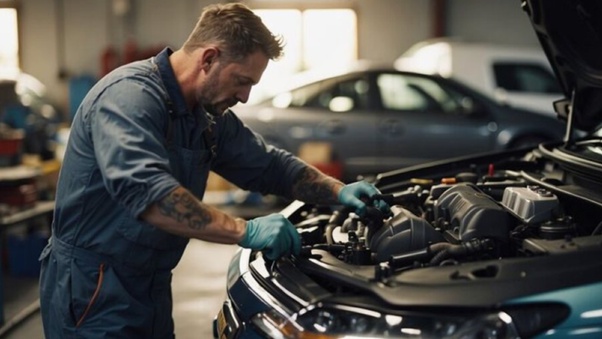
Auto repair technology has advanced considerably over the century-plus it has existed. The everyday work of a collision technician in the 2020s scarcely seems relevant to what a mechanic did in the 1920s. There are diagnostics that involve interfacing with a vehicle’s onboard computer, performing maintenance on regenerative braking systems, and even using AI to help with scans of vehicle bodies.
Auto body repair has changed a lot because vehicles have changed a lot. This includes the materials that comprise most automobiles on the road today. And that brings us to one of the more intriguing advances in auto repair today: the use of 3D printing.
In This Article:
What is 3D printing?
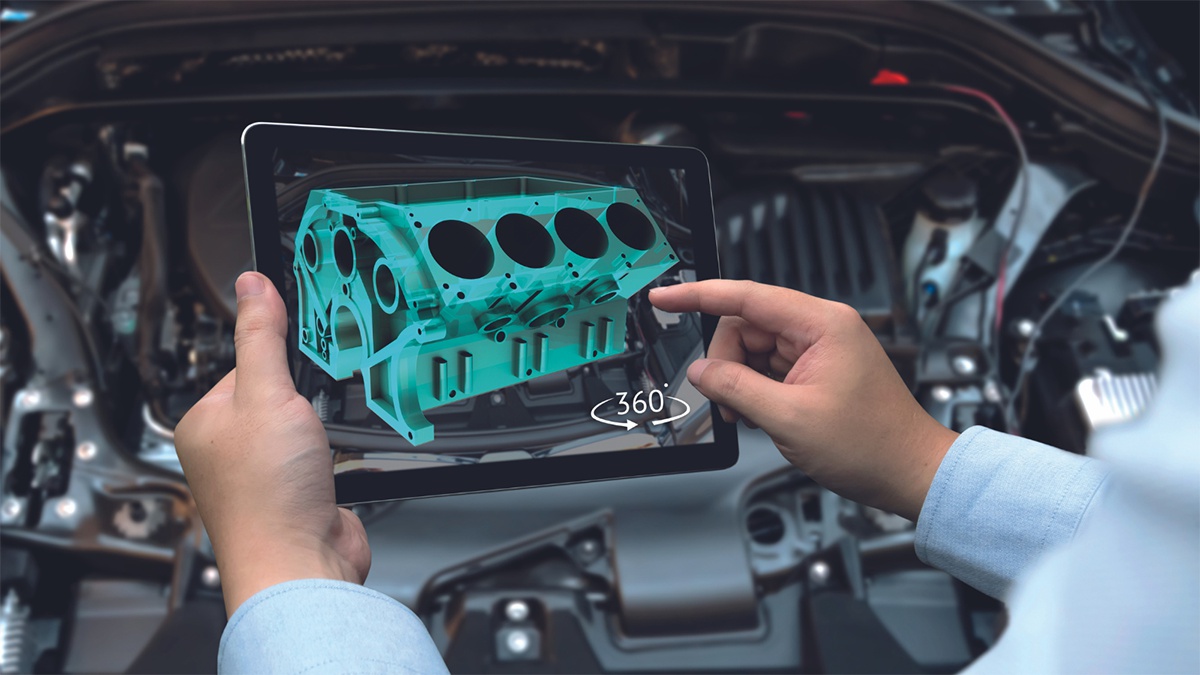
3D printing—also known as additive manufacturing, is a process for building physical objects layer by layer from a digital design. It involves adding material exactly where it’s needed, unlike traditional subtractive methods that cut material away from a block. It starts with a 3D model (a CAD file) which software then slices into thin cross-sections. The printer builds the object by depositing, joining, or curing material one layer at a time, allowing for complex shapes with less waste.
To conceptualize how the process works, it can help to imagine a sculpture. If you go to an art gallery and look at sculptures, especially an older one, you can read how the artist made the piece by chiseling material away. If a sculpture of a biblical figure is made of marble, the artist would have started with a solid block and hammered, chiseled, and scraped a great deal of marble away until they were happy with the result.
It’s hugely impressive to think of an artist doing this today, let alone 500 years ago. But one must concede it’s rather a wasteful process. Maybe Renaissance artists found good use for all that marble they chipped away, but they certainly couldn’t make big statues out of it. When we move from the realm of art to auto repair and manufacturing, wasting material is much less forgivable. That’s why additive manufacturing is so appealing. It allows one to build an auto part from the inside out, rather than scraping away at material from the outside until achieving the desired shape.
Use cases for 3D printing in auto repair
A collision repair shop might use 3D-printing techniques for several purposes. These include:
Replacement of obsolete or vintage parts
It’s not the case that it’s easier for auto body repair shops to simply print out any replacement part they need. At least not yet. However, for classic car restoration, finding original components can be nearly impossible. And even when it is possible, it can require months of searching through salvage yards.
3D printing, though, allows auto repair technicians to scan a broken part or use original blueprints to print a perfect replica. This is especially useful for plastic trim pieces, door handles, and specialized brackets that haven’t been manufactured in decades.
Custom fixtures and tooling
Every auto repair job is slightly different, and sometimes a standard wrench or clamp just can’t reach a specific bolt. Mechanics can design and print custom alignment tools, drill guides, or specialized grips tailored to a specific vehicle model. These one-off tools can improve precision and prevent damage to delicate components during the auto repair process, significantly speeding up labor times.
Rapid prototyping for performance tuning
In high-end auto body repair shops, 3D printing is a common method for testing aftermarket parts before committing to expensive metal fabrication. If an auto repair technician is installing something like a custom turbocharger or intake system, they can print a plastic version of the mounting bracket or ducting to ensure there are no clearance problems. Once they confirm the fit, they can print the final part in metal and machine it to achieve the necessary specifications.
On-demand interior trim and clips
One of the most common frustrations in auto repair is breaking the small, proprietary plastic clips that hold door panels and dashboards together. Instead of ordering a bag of 100 clips from a dealership and waiting days for delivery, a shop can print the exact clip needed in mere minutes. This also applies to cracked air vents, buttons, and console covers that are cosmetic but essential for a good-as-new finish.
Repairing complex ducting and housings
Modern vehicles are chock-full of intricate plastic housing for systems such as air filtration, HVAC, and electrical junctions. If a minor collision cracks a housing, the traditional fix is to replace the entire expensive assembly. With 3D printing, repair shops can print a patch or a specific section of the housing, using automotive-grade polymers that can withstand engine bay temperatures and vibrations.
Lightweight component replacement
For performance-oriented auto repair, 3D printing allows for the creation of parts with “topological optimization.” This means the part is designed to be as light as possible while maintaining structural integrity. By using materials such as carbon-fibre-reinforced nylon, auto body repair shops can replace heavy steel brackets or mounts with 3D-printed versions that reduce the vehicle’s overall weight without sacrificing safety.
What materials do collision repair businesses use for 3D printing?
There are several materials that are suitable for additive manufacturing in auto repair applications. However, it’s worth focusing on two popular materials: thermoplastic polyurethane (TPU) and carbon fiber (CF) composites.
Why TPU and carbon fiber?
- TPU: TPU is a rubber-like filament. In auto repair, it’s invaluable for printing custom gaskets, vibration dampeners, and protective caps. It’s highly resistant to abrasion and can absorb significant impact.
- CF composites: Carbon fiber adds immense stiffness and reduces the warping that often plagues large prints. It gives parts a professional matte finish and ensures they don’t deform under mechanical stress.
Do auto repair shops need 3D printing?
A collision repair shop can probably do just about any job without additive manufacturing. However, 3D printing often makes the job much easier—and cheaper. That’s why it makes sense to visit an auto body repair shop that embraces new technologies to get the job done right.